


Introduction
Does creatine make you bald? It's one of the most Googled questions about the supplement – and the answer is less exciting than you think. Creatine hair loss originated from one rugby study that saw a temporary increase in DHT, but no hair loss occurred. New RCTs don't even find a significant DHT peak anymore. In this guide, you'll get the facts, check if you're at genetic risk, and learn how to dose safely with Beargymmies. Also check out our creatine dosage guide for your ideal amount.
1. Where does the concern come from?
The 2009 rugby study
-
20 male players, 7-day load (25 g/d), 14-day maintenance (5 g/d).
-
DHT ↑ 56% after load, remained 40% ↑ during maintenance.
-
No hair loss measured – yet the "creatine makes you bald" myth went viral PubMed.
Important to know
-
DHT is one factor in androgenetic alopecia; genes & age weigh more heavily.
-
The study used high doses → above normal 3-5 g/d.
-
Later studies did not repeat the DHT peak (see below).
2. Recent studies debunk the myth
| Year | Design | Result | Source |
|---|---|---|---|
| 2024 | 12 wk double-blind, 5 g/d | No change in DHT or hair density | PubMed |
| 2023 review | 9 RCTs | No evidence of performance blunting or hair loss with Cr + caffeine | PMC |
| 2023 ISSN-paper | Position stand | “No evidence of hair loss; speculation based on one old study” | Taylor & Francis Online |
In short: no modern study shows direct hair loss due to creatine.
3. What about DHT and genetics?
-
DHT (dihydrotestosterone) shrinks hair follicles in people with genetic sensitivity (AR gene).
-
Creatine can cause a short-term DHT peak, but not structurally at normal doses (3-5 g/d).
-
Do you have familial baldness? Then DHT already plays a role; creatine is at most a small link.
-
Zinc, biotin, and sufficient protein support hair growth – regardless of creatine use.
Serum-DHT versus follicular-DHT – what's the difference?
4. Practical tips for safe creatine use & healthy hair
-
Stick to 3–5 g/d ( = 3–5 Beargymmies) – no mega-dosing needed.
-
Ensure micronutrients – take vitamin D & omega-3 for follicle health.
-
Hydrate – 250 ml of water per 5 g of creatine reduces stress on the scalp.
-
Avoid extreme stress – cortisol is a proven hair thinner. (the biggest one nowadays...)
-
Regular check-ups – notice excessive hair loss? Get DHT and ferritin tested.
-
Sleep well!
Read more lifestyle tips in Creatine & hydration in summer.
5. FAQ (FAQPage schema)
Can creatine thin my hair?
No research shows direct hair loss; only a temporary DHT increase at high doses.Should I stop if I have a predisposition to baldness?
Not necessarily; follow the standard dose and monitor. Only consider DHT blockers in consultation with a doctor.
Conclusion
The evidence is clear: creatine does not cause hair loss. The myth is based on one old study with high dosages. Stick to 3–5 g per day, eat a varied diet, and stay hydrated – then you'll enjoy the strength and brain benefits without risking your hair.
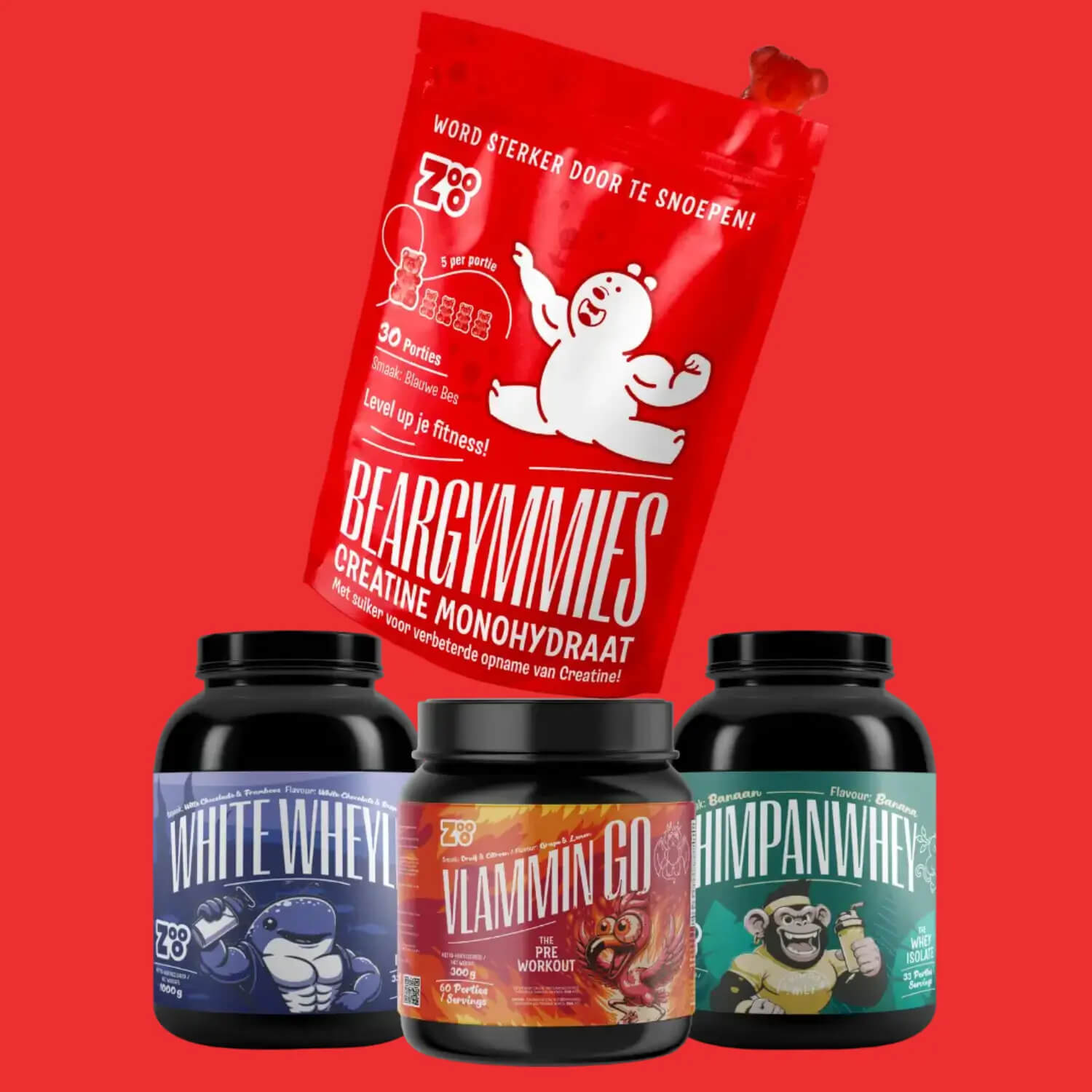
Get all the benefits without the powder hassle – shop Beargymmies Creatine Gummies!
Order now →
Sources
-


