


CREATINE & HAIR LOSS: MYTH VS FACT (2025)
What the science really says — in plain language.
TL;DR (≤60 words)
The link between creatine and hair loss is unsubstantiated. One small 2009 study found higher DHT after a loading phase, but no hair loss. Subsequent reviews find no structural increase in testosterone or DHT due to creatine. Choose 3–5g/day and focus on consistency. PubMed+1
────────────────────────────────────────────────────────────────────
WHY THIS MATTERS
Many athletes are hesitant due to online stories. Unnecessarily stopping creatine costs you strength, reps, and progress. With the right context, you'll see: evidence > anecdotes.
────────────────────────────────────────────────────────────────────
WHAT IS DHT AND WHERE DID THE MYTH COME FROM?
-
DHT (dihydrotestosterone) is an active androgen, formed from testosterone by 5-α-reductase.
-
In 2009, a small RCT in rugby players reported that serum DHT increased after 7 days of loading (25g/day) + 14 days of maintenance (5g/day). No hair loss was measured; only blood values. PubMed
-
This fueled the myth, but: it involved 20 participants, short duration, intensive training period, and specific loading regimen. Relevance for daily 3–5g is limited. PubMed

────────────────────────────────────────────────────────────────────
WHAT DOES CURRENT EVIDENCE SAY?
-
Large reviews conclude that creatine does not cause an increase in total or free testosterone or DHT in healthy adults. Nor does it cause hair loss. PMC+2Taylor & Francis Online+2
-
ISSN position stand (2017): creatine is safe and effective when dosed correctly; hair loss is not listed as a proven side effect. SpringerLink
-
EFSA: acknowledges the performance claim at 3g/day and considers use within that range safe. European Food Safety Authority+1
In short: the current state of science does not support a causal link between creatine and hair loss.
────────────────────────────────────────────────────────────────────
PRACTICAL: HOW TO TAKE CREATINE WITHOUT HASSLE
Dosage
-
Daily 3–5g creatine monohydrate. Loading phase not needed. Consistency wins. SpringerLink
Timing
-
Whenever you can maintain it (morning/post-workout/evening). Creatine is not a stimulant.
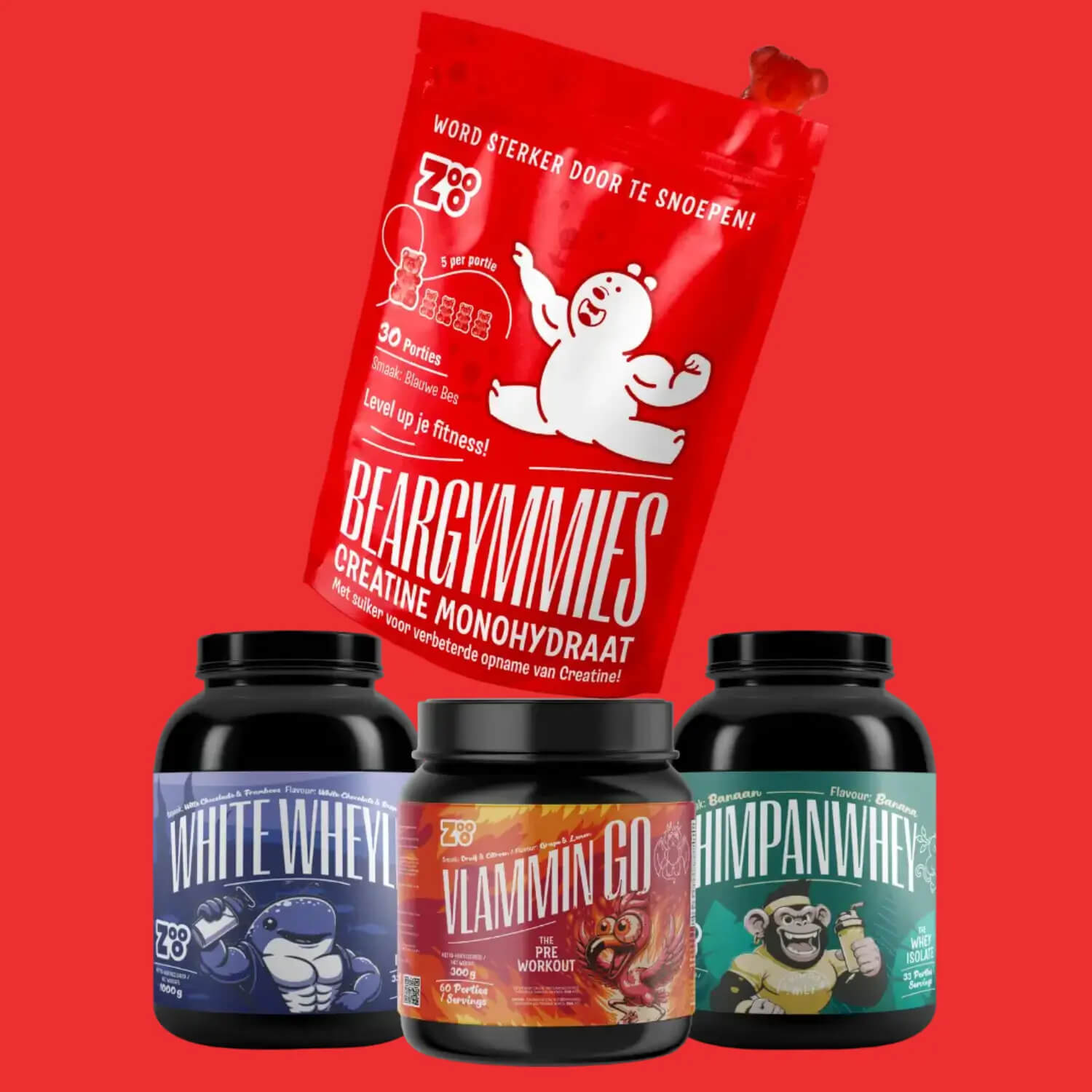
Beargymmies®
-
1,000 mg per gummy → 5 gummies = 5 g/day (150 gummies/bag).
-
Original (blueberry) or Performance+ (sugar-free) with taurine, magnesium, potassium — great for heavy sweating/WODs.
Hydration & Protein
-
Drink according to thirst; for high sweat losses, electrolytes help.
-
Protein 1.6–2.2 g/kg/day supports recovery and progress.
Delicious creatine gummies, tested and on the market since 2022, sold in 9 countries:
• Original: https://www.zooonutrition.com/products/creatine-monohydraat-gummie-beertjes-beargymmies
• Performance+: https://www.zooonutrition.com/products/suikervrij-beargymmies-performance-plus-creatine-gummies-vegan
────────────────────────────────────────────────────────────────────
“WHAT IF HAIR LOSS RUNS IN THE FAMILY?”
-
Androgenetic alopecia is primarily genetically determined. If you are susceptible, pay attention to general hair care and discuss options (e.g., finasteride/minoxidil) with your doctor. Creatine does not necessarily need to be avoided based on current evidence. PMC
────────────────────────────────────────────────────────────────────
TROUBLESHOOTING: 5 QUICK CHECKS
-
Do you take 3–5g every day (even rest days)?
-
Do you expect steroid-like gains? Creatine helps, but training + protein remain the foundation. SpringerLink
-
Does your weight increase by 0.5–1.0 kg? That is often intramuscular fluid/glycogen — performance-friendly. SpringerLink
-
Experiencing gut issues? Try with meals or split dosing.
-
Doubting due to stories? Check the sources below.
────────────────────────────────────────────────────────────────────
DO'S & DON'TS (CHECKLIST)
DO'S
• 3–5 g/day monohydrate
• Fixed time for consistency
• Protein & hydration in order
• Choose transparent €/5g + CoA per batch
• Read evidence reviews instead of individual posts
DON'TS
• Loading phase if you experience GI complaints
• Only take on training days
• Be alarmed by muscle water (+0.5–1.0 kg)
• Fall for "exotic forms" without evidence
• Confuse evidence with anecdotes
────────────────────────────────────────────────────────────────────
FREQUENTLY ASKED QUESTIONS (FAQ)
1) Can creatine increase my DHT?
A small RCT (2009) observed higher DHT during loading (25 g/day, 7 days) in rugby players; this has not been widely replicated. Daily 3–5 g shows no consistent DHT increase in reviews. PubMed+1
2) Does creatine cause hair loss?
The current evidence does not support a causal link. The 2009 study did not measure hair loss. PubMed+1
3) Is creatine safe long-term?
For healthy adults and standard dosages, yes. See ISSN and EFSA. SpringerLink+1
4) Do I need to load to see quick effects?
No. 3–5 g/day saturates your muscle pool in 2–4 weeks. SpringerLink
5) Which form should I choose?
Monohydrate has the strongest evidence and best price per 5 g. SpringerLink
6) Can I take creatine in the evening?
Yes. It is not a stimulant; choose a fixed time.
7) What if I have a family history of hair loss?
Discuss medical options with your doctor. You do not need to avoid creatine based on current data. PMC
8) Does creatine also work for endurance athletes?
Especially for sprints/hills/final sprints and recovery. Test 4–6 weeks. SpringerLink
9) Why do I hear horror stories online?
Anecdotes get a lot of reach. Opt for systematic reviews/position statements. PMC
10) What if I don't notice anything?
Check consistency, training, protein, and sleep; give it 3–6 weeks. Also see: /creatine-werkt-niet.
────────────────────────────────────────────────────────────────────
CONCLUSION + CTA
The hair loss myth is based on selective interpretation of one small study. Large reviews find no evidence that creatine causes hair loss. Do you want progress? Take 3–5 g daily, train consistently and keep protein and hydration in order.
────────────────────────────────────────────────────────────────────
SOURCES
-
van der Merwe J, Brooks NE, Myburgh KH. (2009). Three weeks of creatine monohydrate… DHT:T ratio in rugby players. Clin J Sport Med 19(5):399–404. https://doi.org/10.1097/JSM.0b013e3181b8b52f PubMed
-
Antonio J, et al. (2021). Common questions & misconceptions about creatine. J Int Soc Sports Nutr 18:13. https://pmc.ncbi.nlm.nih.gov/articles/PMC7871530/ PMC
-
Antonio J, et al. (2021). Misconceptions (publisher page). JISSN. https://www.tandfonline.com/doi/full/10.1186/s12970-021-00412-w Taylor & Francis Online
-
EFSA (2011). Health claims: creatine increases performance at ≥3 g/dag. EFSA Journal 9(7):2303. https://www.efsa.europa.eu/en/efsajournal/pub/2303 European Food Safety Authority
-
EFSA (2004). Opinion on Creatine Monohydrate (safety). https://www.efsa.europa.eu/en/efsajournal/pub/36 (PDF: https://doi.org/10.2903/j.efsa.2004.36) European Food Safety Authority+1


