


TL;DR (snippet, ±40 words)
You don't need to specifically "water load" extra for creatine. Aim for ±2.0–2.5 L total water daily (adults) and replenish 125–150% of your sweat loss after exercise. Use urine color as a simple check (pale straw = good). EFSA JournalPMCSpringerOpenNSW HealthWhy water and creatine is such a topic
Creatine stores water in the muscle (good for performance), but research shows no increased risk of dehydration or cramping due to creatine itself. So, it's a myth that creatine "dehydrates" you. PMC+1BioMed CentralPubMed
More interesting blogs:
Daily basics: how much is "enough" without training?
Use one of these two simple routes:
EFSA guideline (adults): total water**†** per day ≈ 2.5 L (men) / 2.0 L (women); of which ±20% comes from food. As a rule of thumb, 1.6–2.0 L from drinks is often sufficient. EFSA JournalPMC
Practical alternative: 30–35 ml/kg/day total water. (Useful for smaller or larger athletes.)
† “Total water” = water from drinks + food.Important: This basic intake does not change because you are using creatine. So you don't need to drink an "extra liter" purely because of creatine. PMC
During & after exercise: how to rehydrate smartly
Before: start euhydrated
Simple: ±500 ml of water in the 2 hours before your session (so you can still go to the toilet and electrolytes are balanced). ResearchGate
During: drink based on thirst/conditions
In heat or during >60 min of exercise: small sips regularly. (Exact rate depends on temperature, intensity, sweat pattern.) PubMed
Afterward: scale rule
Weigh yourself before and after; every −1 kg = ±1 L sweat loss.
Replenish 1.25–1.5 L per kg lost (to also compensate for urine loss) and add some sodium (sports drink/meal). SpringerOpengermanjournalsportsmedicine.comBioMed Central
Example: if you lost 0.8 kg, drink 1.0–1.2 L spread out over the next few hours + a salty snack/meal.
Quick self-check: urine color chart
Pale straw (1–2) = well-hydrated
Yellow tint (3–4) = drink some extra
Darker (5–6+) = you're below target; replenish
Note: color is not perfect (medication/food/environment influence). NSW HealthPMC
How to combine creatine + hydration in practice?
Creatine timing: whenever you stick to it (with or without a meal). Water is fine; milk/juice is also okay. Consistency wins. BioMed Central
Post-workout stack: creatine + fluid + some sodium (and possibly carbohydrates/protein) = simultaneous rehydration and recovery nutrition. PubMed
Travel/jet lag: small bottle + gummies in your bag; check our tips for jet lag & sleep.
Myth-buster: "Do I need to drink extra because creatine 'retains' water?"
No. Creatine increases intracellular water (in the muscle), but research finds no adverse effect on hydration status or cramp risk. Just drink 'normally well' (EFSA/your thirst/urine color) and specifically replenish after training based on your sweat loss. PMC+1
Mini-schemes (handy to save)
Daily (non-training day)
Women: ~2.0 L total water • Men: ~2.5 L (roughly 1.6–2.0 L from beverages) EFSA JournalPMC
Training day
Before: ~500 ml in the 2 hours before start. ResearchGate
After: 1.25–1.5 L per kg of weight loss + some sodium. SpringerOpenBioMed Central
FAQ (short)
Do I need to drink more water because I use creatine?
Not specifically. Follow the normal guidelines; hydrate extra based on sweat loss, not because creatine requires it. PMCIs too much water dangerous?
Yes, over-hydration (hyponatremia) can be dangerous. Don't gulp liters at once; spread out your intake and include sodium in your recovery. PubMedDoes coffee/tea count?
Yes, caffeinated beverages also contribute to total fluid intake. Pay attention to timing around sleep and competition.Does creatine increase my weight due to water?
Often 0.3–1.0 kg in the first weeks (intracellular water in muscle) — not the same as fat/water retention under the skin. PMC
CTA
💪 Pro-tip: Want to stay consistent? Choose a form you'll take daily.
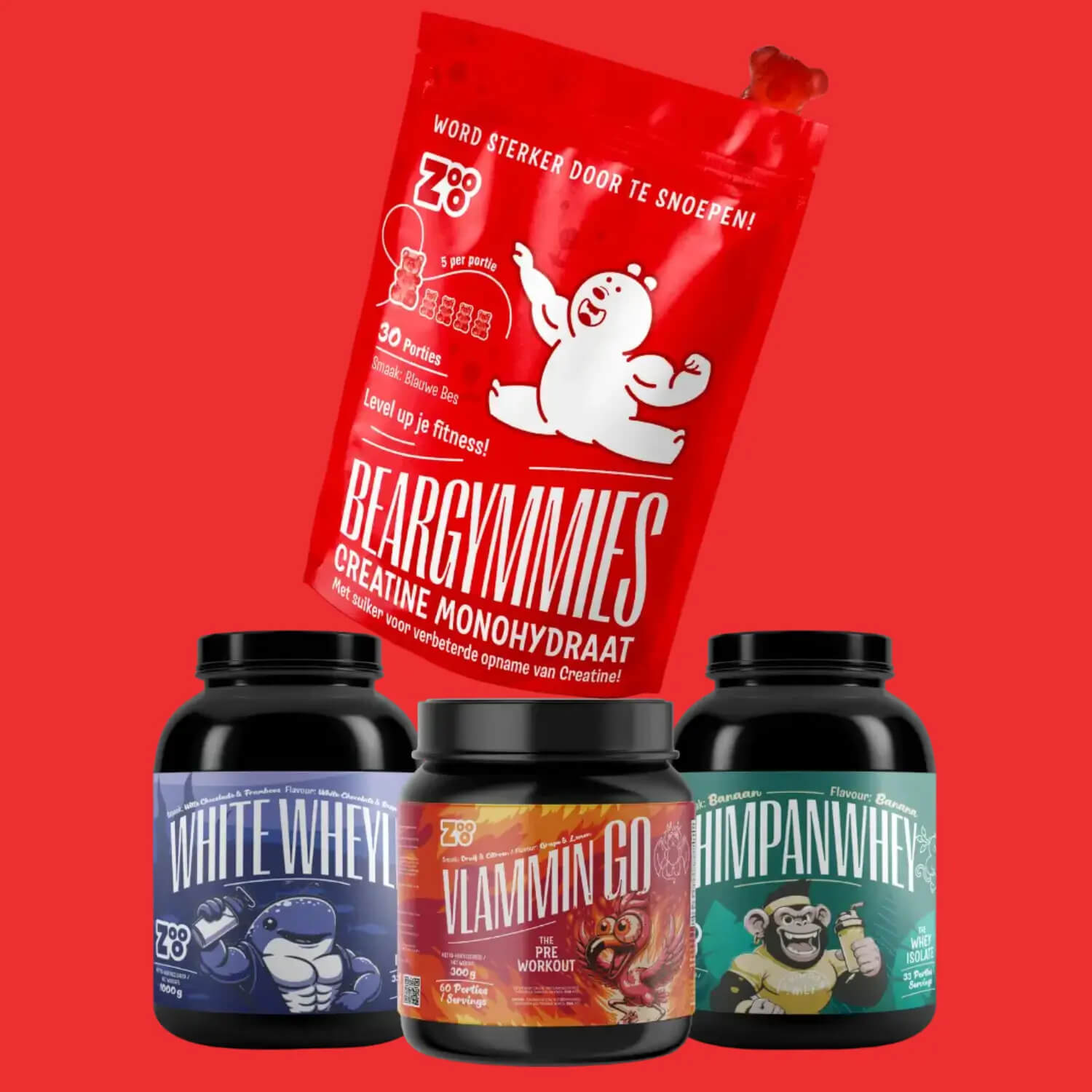
👉 Beargymmies® – creatine gummies (1 g per gummy)

Creatine & Hydration (2025): how much water is "enough"?


