


TL;DR (snippet)
-
The 2009 rugby study found a higher DHT:T ratio after 3 weeks of creatine, but did not measure hair loss. PubMedResearchGate
-
A 12-week RCT (2025) found no effect of creatine on DHT, DHT:T, or hair growth markers. PMCPubMedTaylor & Francis OnlineExamine
-
Review articles conclude: insufficient evidence that creatine causes hair loss. PMCTaylor & Francis Online
Introduction
“Does creatine make you bald?” This question emerged years ago after one small study. In the meantime, there is new research and a lot more context. Below you will find the state of science in 2025, translated into practical choices.
Where does the myth come from?
-
Rugby study (2009, n=16, crossover): 7 days loading (25 g/d) + 14 days maintenance (5 g/d) → DHT up, T stable, no hair measured. Result: hypothesis, no causal evidence. PubMedResearchGate
What does recent research say?
-
Randomized controlled trial (2025, 12 weeks): creatine vs placebo in healthy men → no difference in DHT, DHT:T or hair parameters. Authors' conclusion: strong evidence against a link with hair loss. PMCPubMedTaylor & Francis Online
-
Reviews/position papers (2021+): current data does not indicate increased T, free T or DHT due to creatine in practice. PMCTaylor & Francis Online
In short: 1 older study with hormonal change ≠ evidence for hair loss. New RCT work shows no effect on hormones or hair growth.
DHT, genetics & reality
-
DHT is a derivative of testosterone. In genetically sensitive people, it can shorten the hair growth phase → thinner hair. This is androgenetic alopecia (AGA). PMC
-
However: if DHT does not increase due to creatine (as in the 12-week RCT), there is no mechanism by which creatine would trigger hair loss. PMCPubMed

What does this mean for you (practically)?
Scenario A – you are concerned about hair loss:
-
Choose maintenance dosing immediately (3–5 g/d), skip loading phase.
-
Take creatine after your workout or with your largest meal (consistent intake > timing).
-
Track for 12 weeks: take monthly photos in the same light.
Scenario B – you have AGA in the family:
-
Consider consulting with a sports physician/dermatologist.
-
Combine with evidence-based hair care (minoxidil/finasteride — only in consultation).
-
Focus on sleep, stress, nutrition; these influence hair status more than creatine.
Gummies vs powder (brief context)
-
The effect is the same (monohydrate = monohydrate).
-
Gummies often win on consistency (convenience/taste → daily intake), and it is consistency that determines your creatine results. See:
-
Side effects (facts vs myths) →
/creatine-gummies-side-effects -
Dosage per weight →
/creatine-gummies-dosage-weight
-
FAQ
Does creatine cause hair loss?
The best current evidence (12-week RCT, 2025) shows no effect on DHT or hair parameters. The myth primarily stems from one small study from 2009. PMCPubMed
Does creatine increase DHT?
In the 12-week RCT: no. Review papers generally find no increase in T or DHT due to creatine. PMC+1Taylor & Francis Online
Is creatine safe for daily use?
Within common dosages (3–5 g/d), creatine has been widely studied as safe; follow your personal situation/doctor's advice. (General safety reviews and GRAS dossiers support this.) U.S. Food and Drug Administration
Do you want to take creatine consistently, without hassle?
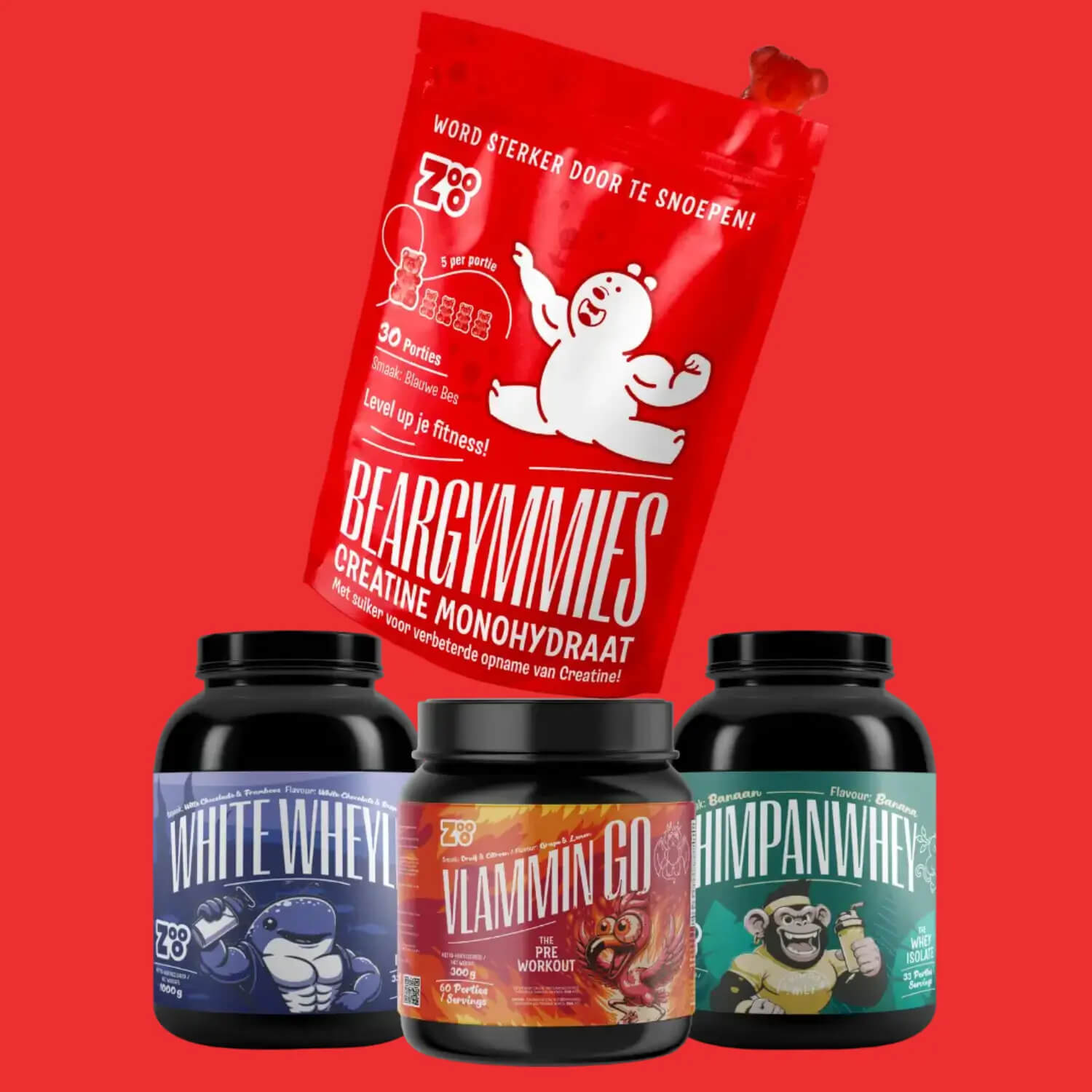
Try Beargymmies® (1 g per gummy). Start with 3–5 g/day, track for 12 weeks, and evaluate your performance—not the myths.
SOURCES:
-
2009 rugby study (DHT:T↑, no hair measurement). PubMedResearchGate
-
12-week RCT (2025): no effect on DHT, DHT:T or hair parameters. PMCPubMedTaylor & Francis Online
-
Review articles: creatine does not consistently increase T/DHT; claims about hair loss are not substantiated. PMCTaylor & Francis Online
-
Safety/GRAS dossier (general context). U.S. Food and Drug Administration


