


CREATINE & SPEED SKATING (2025)
Starts, corner exits & final lap — where creatine counts.
TL;DR (≤60 words)
Creatine supports short, explosive efforts and recovery between repetitions. On the ice, this helps with starts, corner exit accelerations, overtaking, and a strong final lap. Take 3–5 g daily. An initial +0.5–1.0 kg is usually intramuscular (performance-friendly). Combine with smart intervals, strength, and hydration.
────────────────────────────────────────────────────────────────────
WHY THIS MATTERS
Speed skating is more than aerobic endurance. Races demand repeated peaks: explosive starts, pressure on the straight out of the corner, closing gaps, and a negative split in the final. This is precisely the domain of the ATP-PCr system — where creatine plays a role.
────────────────────────────────────────────────────────────────────
HOW IT WORKS (SHORT & CLEAR)
-
ATP-PCr provides energy for 0–10 s peaks (starts, corner exits, accelerations).
-
Creatine increases the phosphocreatine pool, allowing you to go all out longer in short actions and recover faster between repetitions.
-
Practical effect: more stable lap times, less decline at the end, and more punch during overtaking maneuvers.
────────────────────────────────────────────────────────────────────
PRACTICAL PER DISCIPLINE
500–1000 m (pure sprint)
-
Where gains are made: explosive starts, first straight, corner exit.
-
Training (ice + dry): 2×/week alactic sprints 6–10× (6–10 s) / 2–4′ recovery; in the gym heavy singles/doubles (hip hinge, squat, sled push).
1500 m (middle distance)
-
Where gains are made: start acceleration, pace changes, final lap.
-
Training: 8–12× (20–30 s @ > race pace) / 2–3′ recovery; over-unders (2′ hard / 2′ steady).
3–10 km (endurance/individual)
-
Where gains are made: consistent laps with short bursts (corner exit), negative split.
-
Training: 4–6× (45–60 s @ > threshold) / 2–3′ recovery; carefully control the last 1–2 repetitions.
Mass start / marathon
-
Where gains are made: attacks, lead changes, last 2 laps.
-
Training: 3 blocks of 6′ with 15 s attack / 45 s skating; off-ice sled sprints and box jumps.

────────────────────────────────────────────────────────────────────
DOSAGE, TIMING & HYDRATION
Dosage
-
3–5 g/day creatine monohydrate. Loading phase not needed.
-
Split-dosing for GI sensitivity: 2–3 g + 2–3 g with meals.
Timing
-
Choose the moment you can stick to. Post-training with your first larger meal works practically; in the evening is also fine (creatine is not a stimulant).
Hydration & electrolytes
-
Cold dulls thirst signals. Plan fixed drinking times; for long sessions or indoors: electrolytes (sodium, magnesium, potassium) for muscle function and thermoregulation.
Weight & W/kg
-
Initial +0.5–1.0 kg is often intramuscular water/glycogen; on ice usually performance-friendly. Pure climbing analogy plays a lesser role — test adjustments outside of A-races.
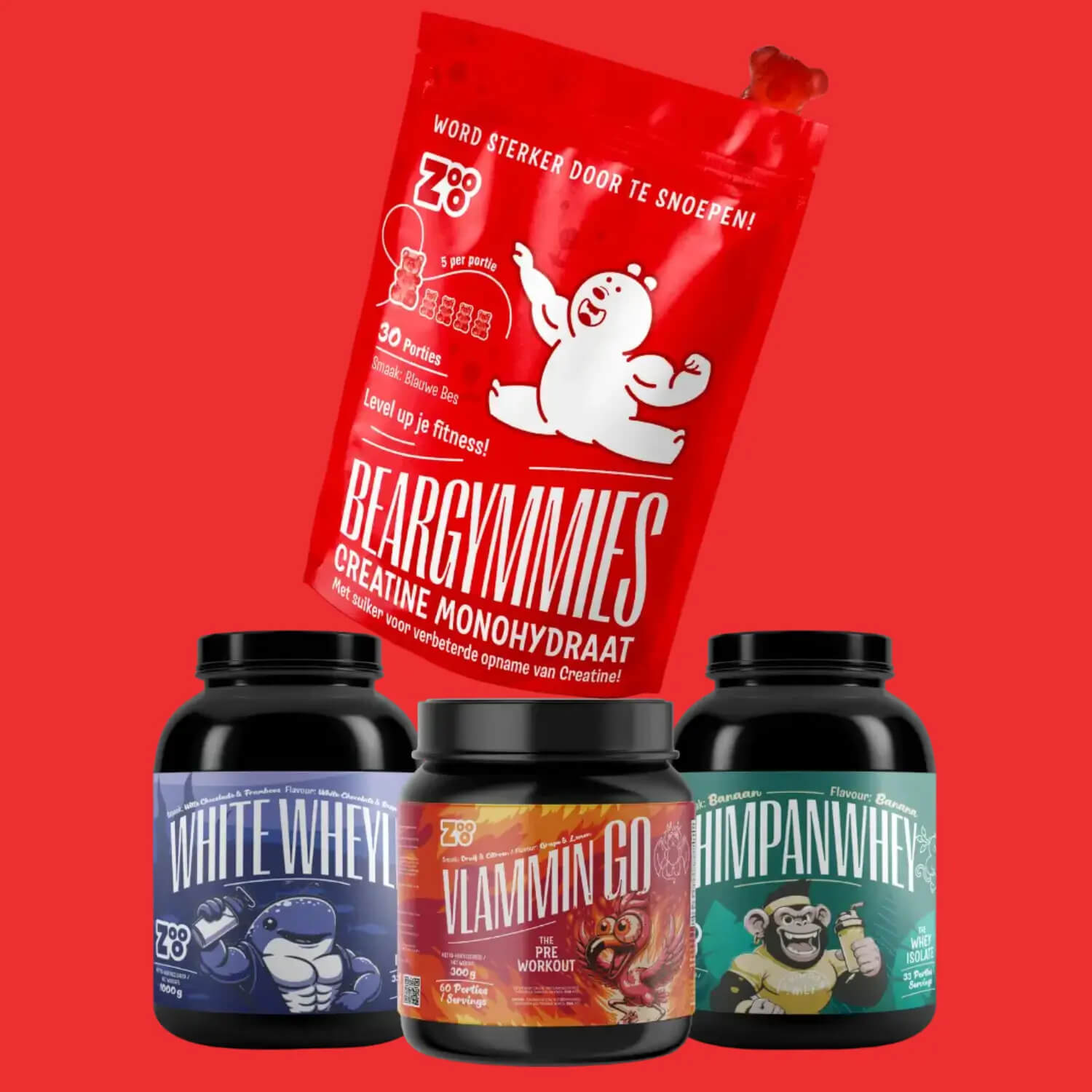
Beargymmies®
-
1,000 mg per gummy → 5 gummies = 5 g/day (150 gummies/bag).
-
Original (blueberry) or Performance+ (sugar-free) with taurine, magnesium, potassium — good for long blocks or high training volumes.
────────────────────────────────────────────────────────────────────
EXAMPLE BLOCK PERIOD (2–3 WEEKS)
Week A
-
Ice: 8× (20 s @ > race pace) / 2′ → 6× (30 s) / 3′
-
Dry: sled push 6×20 m; RDL 3×6; split squat 3×8/leg
-
Daily: 3–5 g creatine + protein anchors (20–40 g, 3–4×/day)
Week B
-
Ice: 10× (10 s alactic) / 3–4′; 4× (45 s) / 3′
-
Dry: hip thrust 4×6; box jumps 4×4; core anti-rotation 3×12
-
Daily: consistency > timing; hydration with electrolytes
Week C (pre-race fine-tune)
-
Ice: 2 sessions with short accelerations + corner exit focus
-
Dry: maintenance (50–60% volume), no new stimuli
-
Daily: 3–5 g; sleep 7.5–9 h
────────────────────────────────────────────────────────────────────
DO’S & DON’TS (CHECKLIST)
DO’S
• 3–5 g/day (every day, even rest days)
• Fixed time or post-training with meal
• Split-dosing for GI sensitivity
• Protein 1.6–2.2 g/kg/day + fixed drinking times
• Train for corner exits and final lap specifically
DON’TS
• Only take on training days
• Fixate on timing instead of consistency
• Large loading phase right before competition
• Test new stack on race day
• Ignore thirst signals in the cold
────────────────────────────────────────────────────────────────────
FREQUENTLY ASKED QUESTIONS (FAQ)
Will creatine make me heavier and slower?
A small initial increase (+0.5–1.0 kg) is often intramuscular and generally performance-friendly. Test outside of A-races.
Does creatine help with corner exits?
Yes, especially with short bursts and repeated accelerations.
Loading phase needed?
Not needed. 3–5 g/day saturates in 2–4 weeks.
Is creatine safe?
For healthy adults and common dosages: yes. Consult with conditions/medication.
Does creatine work on rest days?
Yes—taking it daily supports your muscle pool.
Evening intake okay?
Yes. Creatine is not a stimulant.
GI issues?
Take with/after meals or use split-dosing.
Which form to choose?
Monohydrate — strongest evidence, best €/5 g.
Results within 2 weeks?
Often in 2–4 weeks; look for improvements in final laps and corner exits.
Which Beargymmies®?
Original or Performance+ (sugar-free); 5 gummies = 5 g/day.
────────────────────────────────────────────────────────────────────
CONCLUSION
Creatine helps speed skaters precisely where it matters most: starts, corner exits, and the decisive final lap. With 3–5 g daily, targeted ice & strength stimuli, and good hydration, you'll skate more consistently when it counts.
────────────────────────────────────────────────────────────────────
SOURCES
-
Kreider RB, et al. (2017). ISSN Position Stand: Safety & efficacy of creatine. J Int Soc Sports Nutr 14:18. https://doi.org/10.1186/s12970-017-0173-z
-
Antonio J, et al. (2021). Common questions & misconceptions about creatine. J Int Soc Sports Nutr 18:13. https://doi.org/10.1186/s12970-021-00412-w
-
Jäger R, et al. (2017). ISSN Position Stand: Nutrient timing. J Int Soc Sports Nutr 14:33. https://doi.org/10.1186/s12970-017-0189-3
-
EFSA Panel (2011). Health claim: creatine ≥3 g/day improves performance in short, high-intensity exercise. EFSA Journal 9(7):2303. https://doi.org/10.2903/j.efsa.2011.2303
-
Bishop D. (2010). An applied research model for the sport sciences (recovery between repetitions). Sports Med 40(1):65–78. https://doi.org/10.2165/11319760-000000000-00000


