


Last update: July 11, 2025
Reading time: ± 7 minutes
TL;DR (snippet-box, 40 words)
Whey isolate contains ± 25 % more protein and ± 80 % less lactose than whey concentrate, but costs on average 35 % more. For strict cutting or lactose sensitivity, isolate wins; for bulk or budget, concentrate suffices.
Why this comparison?
Are you looking for a protein shake that supports fat loss, but are you getting entangled in the terms isolate and concentrate? Google yields thousands of hits, often with outdated claims. In this guide, you will get data from 2025 formulas and a clear choice diagram based on calories, lactose tolerance, and budget.
Quick overview of the differences
| Feature | Whey Isolate | Whey Concentrate |
|---|---|---|
| Protein (%) | 90–92 % | 70–80 % |
| Kcal / 30 g | 105–115 kcal | 120–135 kcal |
| Lactose | < 1 g | 2–4 g |
| Fat / Carbohydrates | < 1 g fat, < 1 g carbs | 2–3 g fat, 4–6 g carbs |
| Price / kg | € 26–50 | € 19–24 |
| Microfiltration | Yes (cross-flow) | Yes, sometimes ultrafiltr. |
Info-gain 2025: New micro-cross-flow technology reduces lactose even further (‑12 %) without losing flavor.

Weight loss: what does science say?
-
Thermal effect: every 100 kcal of protein burns ± 20–25 kcal during digestion – so isolate scores better per kcal.
-
Satiety: higher protein density → longer feeling of fullness (Appetite, 2024).
-
Insulin peak: is comparable for equal protein grams; carbohydrate difference in concentrate can affect glycemia (small but relevant for keto-cutters).
Isolate: pros and cons
Pros
-
Lower calorie budget – ideal for deep cuts or contest prep.
-
Low lactose – less chance of flatulence or cramps.
-
Faster absorption – amino acid peak within 45 min.
Cons
-
Higher price per shake – expect +€ 0.25 per 30 g scoop.
-
Thinner mouthfeel – less creamy than concentrate.
Concentrate: pros and cons
Pros
-
Budget-friendly – best €/gram of protein for bulking or maintenance.
-
Creamy texture – popular for baking recipes.
-
More bioactive peptide fractions – slight advantage for immune support.
Cons
-
More lactose & fat – can hinder digestion for those with intolerance.
-
Slightly higher calories – adds up in a strict calorie deficit.
Decision aid in 30 seconds
| You are… | Goal | Lactose-sensitive? | Budget | Choose… |
| Cutting (‑15 % kcal) | Fat loss | No | Low/medium | Concentrate (scoop 5 g less) |
| Yes | Medium | Isolate | ||
| Keto / Low-carb | Fat loss + strict carb limit | Regardless | Medium/high | Isolate |
| Bulking / Maintenance | Muscle growth | No | Low | Concentrate |
| Yes | Medium | Isolate or lactase enzyme |
Frequently Asked Questions (FAQ)
Can I mix isolate and concentrate?
Yes, popular “blend” products combine 50/50 for price and digestion balance.
Is isolate always micro-filtered?
Yes – otherwise, it cannot legally be called 'isolate' (EU 2023). Cross-flow filtering retains more bioactive fractions.
Does taste still matter?
Concentrate often has richer flavors; isolate can become creamier with additional flavors.
Conclusion
-
Strict fat loss or lactose intolerant? → Choose isolate.
-
Budget or bulking? → Concentrate is fine.
-
Undecided? → Blend or take a lactase capsule.
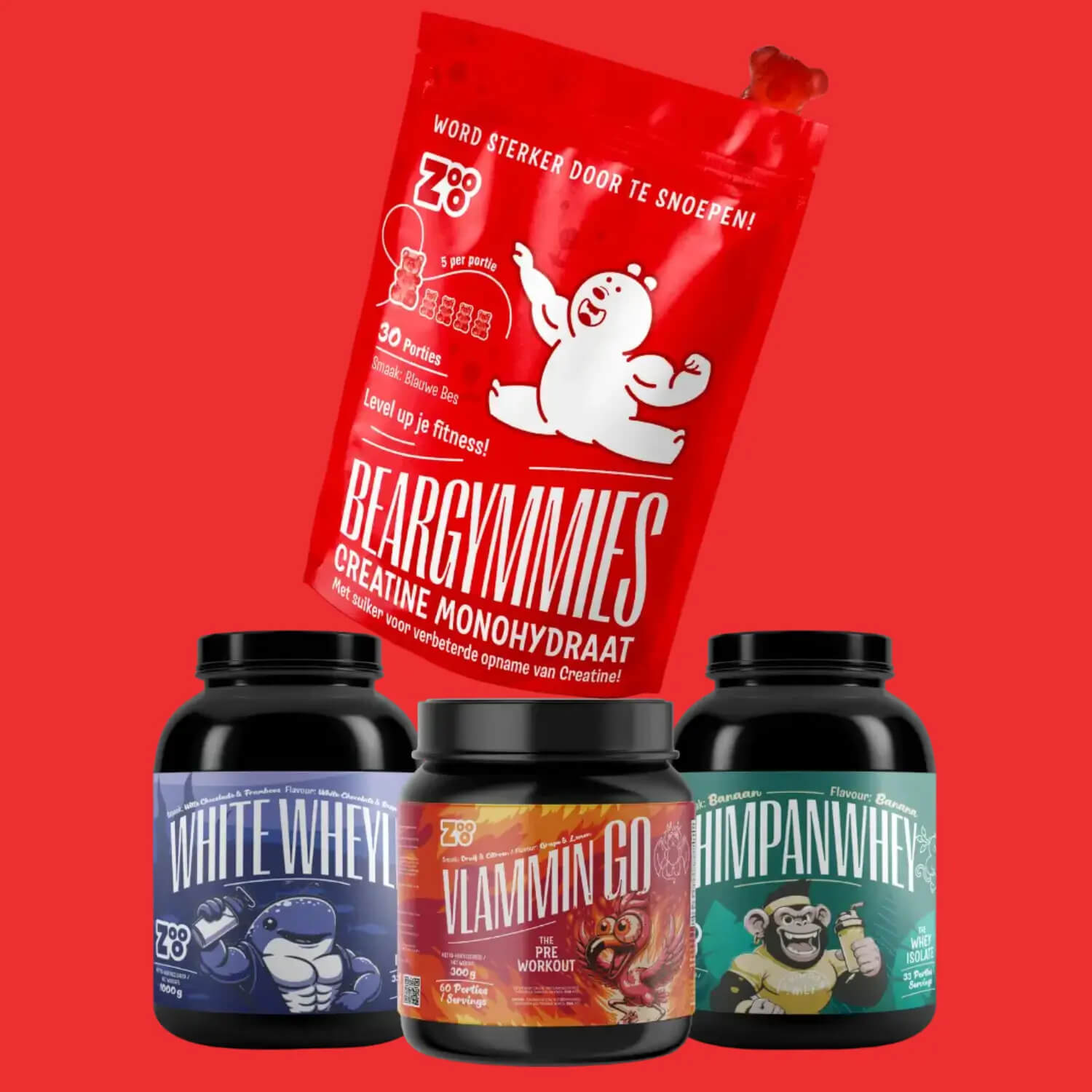
View our full range of whey protein powders here and find your ideal match.


