


TL;DR (±40 words)
Cold inhibits blood flow and increases risk of slips/cramps. Layers (dry → warm → windproof), indoor warm-up, shorter strides, gloves/hat, hydration (cold diuresis!), and consistent supplements (creatine, taurine, magnesium, potassium). Check wind chill and stop if you experience silly cold-related signals.
1) Clothing & gear (layers that actually work)
-
Base layer (synthetic/merino): wicks sweat (no cotton).
-
Mid layer (fleece/wool): warmth.
-
Shell (wind-/waterproof): against windchill; ventilation zips for intense activities.
-
Protect extremities: gloves, hat/headband, neck gaiter (can be pulled over mouth/nose).
-
Grip & visibility: winter soles/spikes, reflectors + headlamp (dark!).
-
Sunscreen & sunglasses in snow/sun: snow reflects UV → SPF 30+ also in winter.
2) Warm-up & pacing (cold muscles ≠ happy muscles)
-
Start indoors: 5–8 min dynamic (hip hinges, leg swings, arm circles, high knees).
-
Then outdoors 5–10 min progressive jogging/light sets; only then intensive work sets.
-
Cold days → shorter stride, higher cadence (less slip strain).
-
Intervals? Longer recovery breaks and active recovery (don't stand still & cool down).
3) Breathing & throat comfort
-
In icy air: preferably breathe through the nose or through a buff (warms/moistens air).
-
Dry throat? Small sips of water/electrolytes; avoid overstimulating menthol just before intense sets if it irritates your throat.
4) Hydration (yes, even in the cold)
-
Cold → cold diuresis + less thirst → you still dehydrate.
-
Plan 200–400 ml just before starting and 150–250 ml per 20–30 min (depending on duration/intensity).
-
Sweat little? Take light electrolytes (some sodium, your stack gives potassium 250 mg top-up).
5) Nutrition & timing
-
Pre (60–120 min): light carbs + protein (oatmeal + yogurt; bread + chicken/cheese; banana + whey).
-
During (>60–75 min): 30–45 g/h carbohydrates (depending on intensity).
-
Post (≤60 min): 25–35 g protein + 1–1.2 g/kg carbohydrates; warm meal → comfort + rehydration.
6) Smart supplements in winter (what & why)
-
Creatine 5 g/day – helps maintain training volume/power even if you move more consciously/carefully outdoors.
-
Taurine 833 mg – osmoregulation + calm focus, good in cold/against "flat" feeling.
-
Magnesium 100 mg (bisglycinate) – relaxation/recovery; (partially) in the evening.
-
Potassium 250 mg (citrate) – practical top-up; main source remains food (potato, legumes, dairy, fish, fruit).
Core: consistency > exact timing. Splitting is allowed (2–3 pre, rest later).
7) Safety & red flags (cold is not a heroic feat)
-
Check wind chill; below −10 °C with wind: moderate/shorten intensity, below −18 °C: relocate/indoors.
-
Wet clothes = cooling down → change base layer if you need to stay outside after the session.
-
Stop immediately at numbness/"prickling" skin, clumsiness, uncontrolled shivering or confusion → go inside, warm up.
Mini-checklist (printable)
-
Base + mid + shell / buff / gloves / hat
-
Indoor warm-up 5–8 min
-
Shorter stride, higher cadence
-
200–400 ml pre + 150–250 ml/20–30 min
-
Pre carbs/protein, post recovery meal
-
Creatine 5 g, Taurine 833 mg, Mg 100 mg, K 250 mg
-
Wind chill check & red flags known
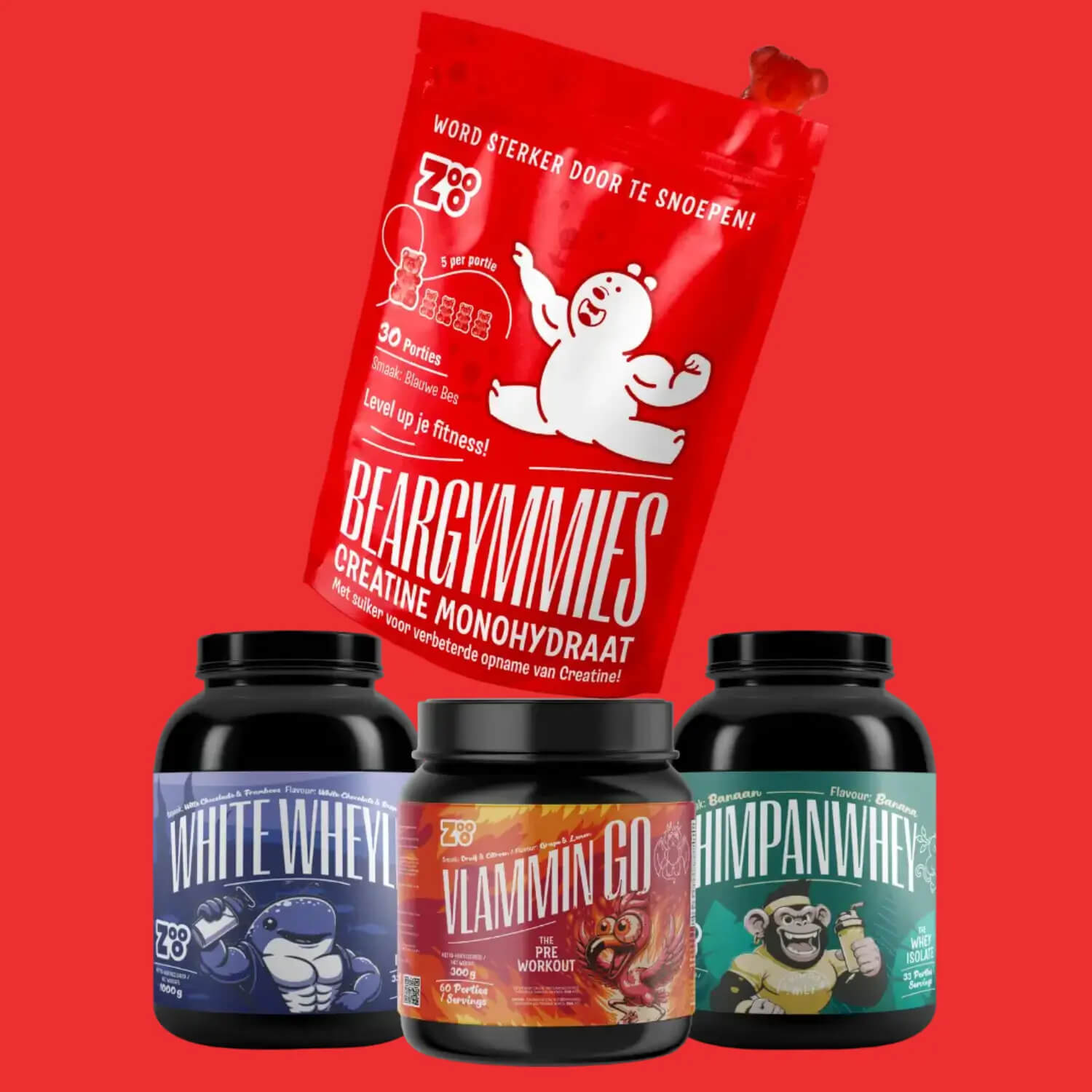
👉 Beargymmies® Performance+ (sugar-free, vegan) – 5 gummies/day: Creatine 5 g • Taurine 833 mg • Magnesium 100 mg • Potassium 250 mg. Easy to maintain, even in winter.
Sources
-
NWS Wind Chill Chart – practical thresholds & safety frameworks.
https://www.weather.gov/safety/cold-wind-chill-chart -
CDC/NIOSH – Cold Stress – signs, prevention, first aid.
https://www.cdc.gov/niosh/topics/coldstress/ -
GSSI – Hydration in the Cold – thirst response, cold diuresis, drinking guidelines.
https://www.gssiweb.org/ -
American Academy of Dermatology – Winter sun protection – UV/reflection by snow.
https://www.aad.org/


