


TL;DR (≤60 words)
For healthy adults, 3–5 g/day of creatine is well-researched and safe. For minors, evidence is more limited; some sports organizations and the AAP advise against use without medical supervision. Consider creatine for young people only in exceptional cases, under supervision of a doctor/dietitian and with written parental consent. BioMed Central+1
────────────────────────────────────────────────────────────────────
WHY THIS MATTERS
Young athletes see creatine everywhere, used by their idols. Parents prioritize safety first: does creatine truly help, and is it suitable for minors? In this guide, we combine evidence + guidelines and provide a decision framework for parents/coaches, without marketing to children.
────────────────────────────────────────────────────────────────────
WHAT IS CREATINE — KEY FACTS
Creatine replenishes your phosphocreatine/ATP buffer for short, intense efforts (sprints, strength, WOD-spikes). In adults, this consistently provides performance and strength benefits and is safe when used according to guidelines. BioMed Central
────────────────────────────────────────────────────────────────────
WHAT DOES SCIENCE SAY ABOUT YOUNG PEOPLE?
-
Limited but growing evidence: reviews in youth show positive performance signals (especially swimming/soccer) and few reported side effects in controlled settings, but the total number of studies is still small. MDPI
-
Therapeutic context: in pediatrics, creatine is also being investigated/used for specific neuromuscular and metabolic conditions, always medically supervised. PMC
-
Expert summaries: recent reviews conclude that creatine in children/adolescents may be safe in research or clinical settings, but emphasize the lack of long-term data and the necessity of professional supervision. PMC+1
────────────────────────────────────────────────────────────────────
GUIDELINES & ETHICS
-
ISSN (adult data): creatine monohydrate = effective and safe; youth are generally excluded from standard recommendations. BioMed Central
-
AAP (American Academy of Pediatrics): generally advises against supplements like creatine in minors due to limited long-term data and risk of misuse; focus on training, nutrition, rest. HealthyChildren.org+1
-
Compliance (EU/NL): many brands label creatine “not recommended for children and pregnant women”. If considered for a young person, then only with healthcare provider + parental consent and no marketing towards minors.
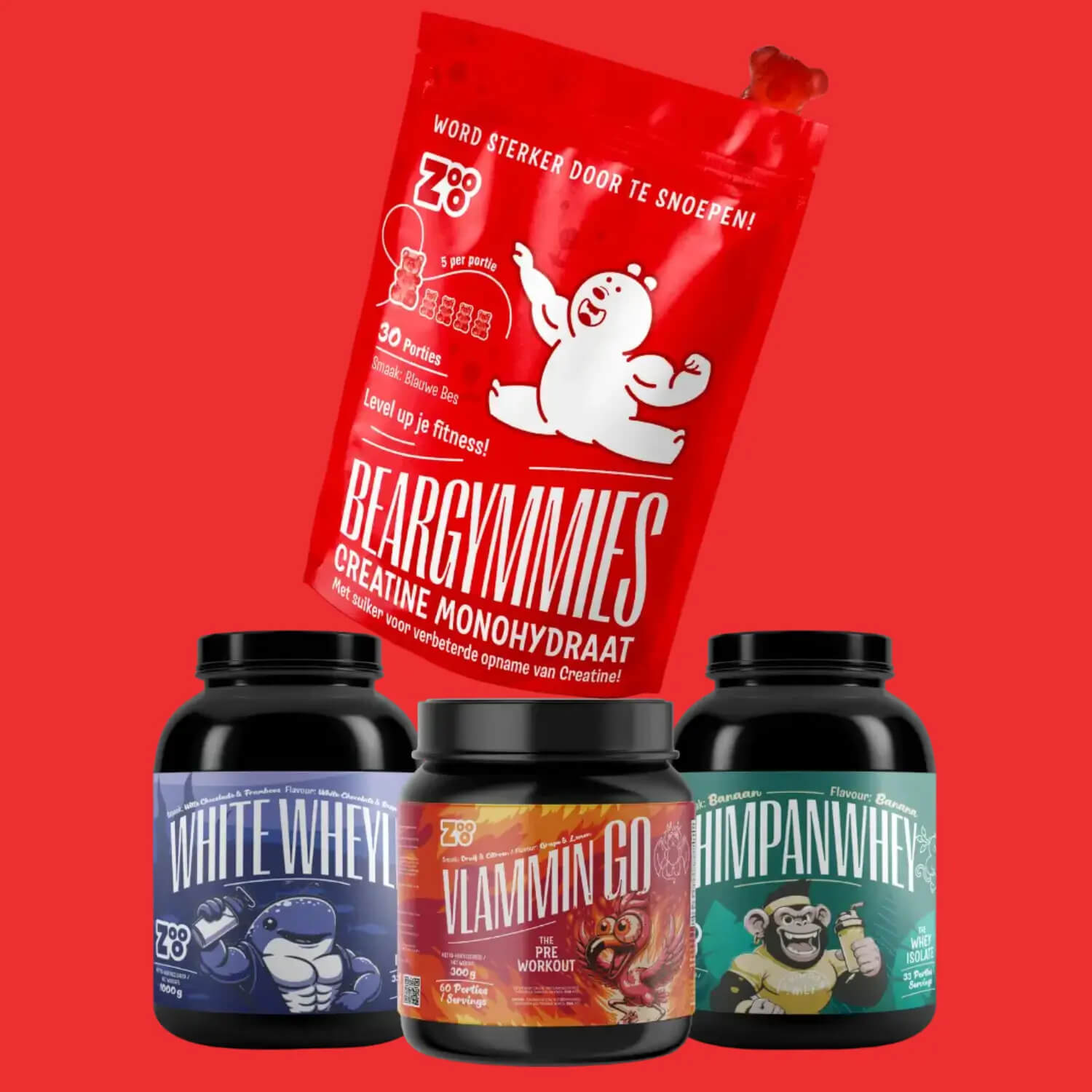
ZOOO-policy: Beargymmies® are developed and labeled for adults. We do not advise or market to children/teenagers.
────────────────────────────────────────────────────────────────────
PARENTAL FRAMEWORK: WHEN TO CONSIDER / NOT CONSIDER?
Don't do it (standard):
-
Recreational sport <18 years, no performance indication, no healthcare provider involved.
-
Questions arise from peer-pressure/social media instead of a professional plan.
Only consider if ALL points are met:
-
Medical check-up with a (sports) doctor/dietitian experienced in youth.
-
Clear objective (e.g., rehabilitation protocol or elite sports program) and risk assessment.
-
Guidance + monitoring (side effects, hydration, lab/consultation if necessary).
-
Parents fully informed + written consent.
-
No doping/shortcut narrative: training, nutrition, sleep, and coaching remain the foundation.
Please note: This guide provides general information, not individual medical advice. Dosages for minors should only be determined by the treating physician; we do not publish youth dosages.

────────────────────────────────────────────────────────────────────
PRACTICAL BASICS FOR YOUNG ATHLETES (WITHOUT SUPPS)
-
Nutrition: sufficient energy + protein (1.2–1.6 g/kg; adapted to growth).
-
Training: technique, progressive overload, periodization.
-
Sleep: 8–10 hours per night (teenagers).
-
Hydration & electrolytes in hot weather/high sweat loss.
-
Coaching & recovery: coaches who prioritize youth safety.
────────────────────────────────────────────────────────────────────
DO’S & DON’TS (CHECKLIST FOR PARENTS/COACHES)
DO’S
• Consult a (sports) doctor/dietitian for supplement questions
• Focus on basic pillars: nutrition, training, sleep, recovery
• Ask for CoA/purity for every supplement
• Discuss motivation & expectations (no “silver bullet”)
• Document consent & monitoring
DON’TS
• No creatine recommendations without a professional
• Don't react to social media pressure
• Don't buy products aimed at children
• No dosage experiments or “stacking”
• No substitution for diagnosis/treatment
────────────────────────────────────────────────────────────────────
FREQUENTLY ASKED QUESTIONS (FAQ)
Is creatine proven safe for minors?
The data are limited. Reviews report few side effects in controlled settings, but long-term data are lacking; therefore, caution is advised and under supervision. MDPI+1
What does the AAP say?
The AAP generally advises against creatine use by minors; focus on training, nutrition, rest. HealthyChildren.org
Are there situations where doctors use creatine in children?
Yes, for certain clinical conditions or in research — always medically supervised. PMC
Is creatine the same as caffeine/energy drinks?
No. Creatine is not a stimulant; it affects the energy buffer. (Adult safety is well-substantiated.) BioMed Central
Does ZOOO sell products for children?
No. Beargymmies® are for adults. We advise parents and trainers to discuss youth use only with healthcare professionals.
────────────────────────────────────────────────────────────────────
CONCLUSION
For adults, creatine monohydrate is one of the most researched and safest performance supplements. For minors, the evidence is still limited, and leading pediatric organizations advise caution without medical supervision. Therefore, prioritize basics first (eating, training, sleeping) and discuss supplement questions with a (sports) doctor/dietitian.
ZOOO Disclaimer: Our products are intended for adult users. We do not market to minors.
────────────────────────────────────────────────────────────────────
SOURCES
Kreider RB, et al. (2017). ISSN Position Stand: Creatine. J Int Soc Sports Nutr 14:18. https://doi.org/10.1186/s12970-017-0173-z BioMed Central
Jagim AR, et al. (2018). Safety of creatine in active adolescents. Frontiers in Nutrition 5:115. https://www.frontiersin.org/articles/10.3389/fnut.2018.00115/full Frontiers
Jagim AR, et al. (2021). Creatine supplementation in children and adolescents. Nutrients 13(2):664. https://www.mdpi.com/2072-6643/13/2/664 MDPI
AAP (2024). Performance-Enhancing Sports Supplements: Information for Parents. healthychildren.org. HealthyChildren.org
AAP (historic position). Creatine Use Among Young Athletes. Pediatrics 108(2):421. https://publications.aap.org/pediatrics/article/108/2/421/63924/Creatine-Use-Among-Young-Athletes publications.aap.org


