


TL;DR (≤60 words)
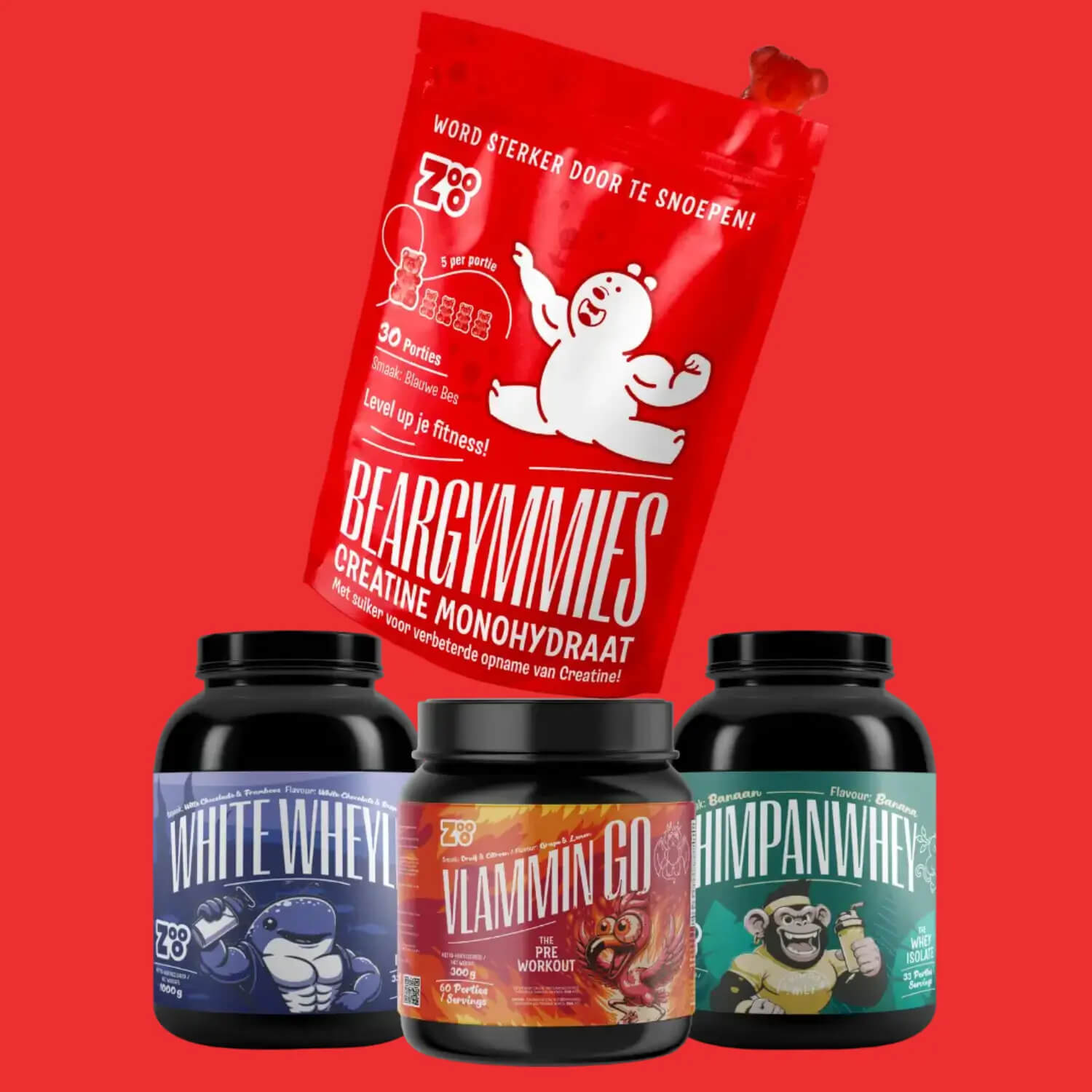
Beargymmies® are vegan pectin gummies with 1,000 mg creatine per gummy. We use HACCP/cGMP processes, batch testing (CoA), and EFSA/ISSN evidence for safety and purity. The entire process ensures flavor, texture, stability, and consistent dosage.
────────────────────────────────────────────────────────────────────
WHY this blog?
Customers want to know what they are taking and how it is made. A good gummy process ensures consistent dosage, pleasant bite, long shelf life, and safety. Here, without revealing trade secrets, you can read how we work and why we make certain choices.
────────────────────────────────────────────────────────────────────
OVERVIEW: FROM RECIPE TO JAR
-
Formulation & R&D
We determine the dosage (e.g., 1,000 mg creatine per gummy), texture (vegan pectin), flavor, and sweetness profile (regular or sugar-free). We also consider stability (pH, moisture, temperature) and consumer feedback. -
Procurement & Quality Control
We source creatine monohydrate with high purity (CoA, contaminants, heavy metals) and pectin (LM/HM profile). Every batch of raw material is checked and released. (tests are live on the site) -
Cooking & Dissolving
We create a syrup base (water, fibers/sweeteners/sugars depending on the variant). Pectin is hydrated and activated; creatine is homogeneously distributed in the mass under controlled temperature and pH. -
Forming (deposited)
The warm mass is deposited into molds. This creates identical gummies with consistent mg per piece. -
Curing & Controlled Drying
Gummies gel (pectin network) and dry under controlled humidity/temperature. This determines bite, water activity, and shelf life. -
Finishing & Coating
If necessary, gummies receive a light coating (anti-stick). -
Batch Testing (CoA)
We test, among other things, dosage, microbiology, heavy metals, water activity, and stability. Only approved batches proceed. -
Packaging & Labeling
In a food-safe environment with traceability per batch. Labels follow EU regulations; we state RDAs/warnings and allergen policy.
────────────────────────────────────────────────────────────────────
WHY PECTIN (VEGAN) AND NOT GELATIN?
-
Vegan & plant-based: pectin comes from fruit.
-
Texture & bite: pectin gives that fruity chew.
-
Process control: with pH, calcium/acid, and sugar/polyols, we control gel strength and reset behavior.
-
Consistency: suitable for starchless depositing, good shape retention.
(More in-depth background on pectin gelling: see "Sources".) PMC+1
────────────────────────────────────────────────────────────────────
STABILITY: WHY GUMMIES WORK
-
Creatine & water: in dry or semi-solid matrices, creatine is much more stable than in acidic, warm solutions. Gummies have low water activity and controlled pH, which limits hydrolysis → creatinine. PMC
-
Controlled drying: proper drying time ensures bite, less sticking, and better shelf life. ResearchGate
-
Dosing per piece: by accurate dosing and homogeneous mass, you get 1,000 mg per gummy (± tolerances), batch-controlled with CoA.
In short: the solid gummy matrix + low aw + process control = stable creatine with pleasant taste/consistency.
────────────────────────────────────────────────────────────────────
SAFETY & COMPLIANCE (HACCP / cGMP)
-
EU Hygiene Regulation (Reg. 852/2004) → HACCP mandatory: risk analysis, CCPs, traceability. EUR-Lex+1
-
cGMP (US, 21 CFR Part 111) for dietary supplements: quality systems, documentation, release and recall procedures. (We follow international best practices.) ecfr.gov+1
-
EFSA/ISSN Framework: creatine monohydrate is safe when used according to guidelines; ≥3 g/day of high purity is not concerning. European Food Safety Authority+2EFSA Journal+2
────────────────────────────────────────────────────────────────────
VARIANTS: ORIGINAL VS PERFORMANCE+
-
Original (blueberry): 1,000 mg creatine per gummy; 5 gummies/day = 5 g (150 gummies/bag).
-
Performance+ (sugar-free): creatine + taurine, magnesium, potassium — good for heavy sweating/WODs/summer.
-
Transparency: price per 5 g and CoA per batch. See: /creatine-gummies-price-costs
────────────────────────────────────────────────────────────────────
WHAT WE DON'T DO (AND WHY)
-
No “magic” forms above monohydrate: monohydrate = gold standard. BioMed Central
-
No rushed drying: leads to stickiness, sweating, or irregular dosage.
-
No marketing to children: products are for adults; labels follow legislation.
────────────────────────────────────────────────────────────────────
DO’S & DON’TS (CHECKLIST)
Do’s
• Work with HACCP/cGMP
• CoA on raw materials and finished product
• Monitor water activity/pH for stability
• Consistent dosing and batch release
• Transparent about €/5g and claims
Don’ts
• No exotic claims without evidence
• No shortcuts in drying/curing
• Do not deviate from label/RDA
• No unreliable suppliers without CoA
• No marketing to minors
────────────────────────────────────────────────────────────────────
FREQUENTLY ASKED QUESTIONS (FAQ)
Doesn't creatine break down due to heat/acid?
In solution at low pH and heat, creatine can degrade faster. In a low-aw gummy matrix with controlled pH/temperature, creatine remains more stable. PMC
Why pectin and not gelatin?
Pectin is vegan and provides the fruity bite we want. We can accurately control gelation through pH and co-factors. PMC
How do you guarantee 1,000 mg per gummy?
By homogenizing, accurate dosing, and batch-testing (CoA). Only approved batches go to the shop.
Is the process clean/safe?
Yes. We work according to HACCP (EU 852/2004) and international cGMP principles (documentation, release, traceability). EUR-Lex
Which creatine do you use?
Monohydrate with high purity. The EFSA/ISSN support safety/efficacy. European Food Safety Authority+1
────────────────────────────────────────────────────────────────────
CONCLUSION + CTA
A good gummy is all about formulation + process + controls. With vegan pectin, controlled drying, HACCP/cGMP, and strict batch testing, we deliver tasty, stable creatine gummies with consistent dosing. That's why you can take them daily and without worry.
CTA: Choose Beargymmies® Original or Performance+ (sugar-free) and start with 5 gummies/day (5 g).
────────────────────────────────────────────────────────────────────
SOURCES (clickable)
-
Kreider RB, et al. (2017). ISSN Position Stand: Creatine. JISSN. https://doi.org/10.1186/s12970-017-0173-z BioMed Central+1
-
EFSA (2004). Opinion on Creatine Monohydrate — safety/purity. EFSA Journal 2(4):36. (PDF & summary). EFSA Journal+1
-
21 CFR Part 111 — cGMP for dietary supplements (US). ecfr.gov
-
EU 852/2004 — food hygiene, HACCP obligation (summary). EUR-Lex
-
Said NS, et al. (2023). Pectin hydrogels & gelation mechanisms. Gels (open access). PMC
-
Gallery C, et al. (2024). Implications of sucrose, pectin types (HM vs LM). Food Hydrocolloids. ScienceDirect
-
Jäger R, et al. (2011). Creatine stability (pH/temperature). J Int Soc Sports Nutr. PMC
-
Gummy drying/mechanics — drying time affects texture & sticking. ResearchGate
-
Gummy manufacturing overview — starchless depositing/technique. jscholaronline.org


